Plantar equalize monitor
Hold about 1.5s above the threshold. That pad goes soft; other pads may take more load.
Control rules & research (APA 7th)
For each rule: what we do, a real quote that supports it, why that quote means this rule, then the APA citation and link. Quotes that only sit near the topic but don’t force the rule are left out.
R1 · Soften under the hard spot (never pump under H)
What the code does: when H stays high long enough, open the vent on H only (let air out, make H soft).
-
“with a PP of this magnitude, the module would likely be turned off to offload that region to prevent a foot ulcer. When the module was turned off during the tests, the module instantaneously deformed to 1.5mm… allowed for a maximum reduction of PP of 18–24% directly over the module”
Why R1: When pressure is high, they turn the module off so it squashes more under that spot, and peak pressure drops. So we vent/soften under H. We do not stiffen or inflate under H.
Hemler, S. L., Ntella, S. L., Jeanmonod, K., Köchli, C., Tiwari, B., Civet, Y., Perriard, Y., & Pataky, Z. (2023). Presentation of an intelligent plantar pressure offloading system. Lower Extremity Review. https://lermagazine.com/article/presentation-of-an-intelligent-plantar-pressure-offloading-system (excerpted from Hemler et al., 2023, Frontiers in Endocrinology, https://doi.org/10.3389/fendo.2023.1166513)
R2 · Share leftover load with other pads (surround), don’t leave everything on H
What the code does: with surround on, slightly fill non-peak pads so load can leave H (rough demo of “spread the load”).
-
“The overriding principle of all casts is to ‘spread’ the load from a small to a large area, reducing the unit of the load.”
Why R2: Offloading means moving load from a small hard spot onto a larger contact area. So we raise support on other pads while H is soft, not only act on H alone.
The principles and practicalities of offloading diabetic foot ulcers. (2016, November 10). The Diabetic Foot Journal / Diabetes on the Net. https://diabetesonthenet.com/diabetic-foot-journal/the-principles-and-practicalities-of-offloading-diabetic-foot-ulcers/ -
“It’s all about the stress transfer, so what you’re trying to do is unload a certain spot on the foot—generally the met head with a met pad—and transfer it to a more proximal region.”
Why R2: The job is unload site A and move force to other tissue, not just “make the number under A look smaller.” After we soften the peak, we also need support somewhere else.
Gargiulo, G. (2014). Evidence-based use of metatarsal pads (quoting M. Mueller). Lower Extremity Review. https://lermagazine.com/cover_story/evidence-based-use-of-metatarsal-pads -
“In 1963, an early offloading publication established that providing equal distribution of plantar pressure throughout the sole of the foot was the principal factor in healing trophic ulcerations occurring in a neuropathic population.”
Why R2: The goal is more even pressure across the sole (lower peaks by sharing load). That points at multi-zone redistribution, not single-zone-only action.
Hanft, J. R., Hall, S., & Kapila, S. (2011). A guide to preventative offloading of diabetic foot ulcers. Podiatry Today. https://www.hmpgloballearningnetwork.com/site/podiatry/guide-preventative-offloading-diabetic-foot-ulcers
Limit: Papers support transfer / more even pressure. They do not say “inflate every non-peak pad.” That part is our demo shortcut, not a clinic protocol.
R3 · Wait for sustained high pressure before moving air (≥ 1.5 s in this demo)
What the code does: equalize starts only after the threshold is held. One sample or one gait spike is not enough.
-
“Diabetic foot ulceration occurring on the plantar aspect is predominately caused by a loss of protective sensation with a combination of excessive or sustained compressive, shear and frictional forces leading to tissue failure.”
Why R3: Damage is linked to too much force over time, not one instant spike. So we use a hold timer before we call a hotspot and move air.
The principles and practicalities of offloading diabetic foot ulcers. (2016, November 10). The Diabetic Foot Journal / Diabetes on the Net. https://diabetesonthenet.com/diabetic-foot-journal/the-principles-and-practicalities-of-offloading-diabetic-foot-ulcers/ -
“Duration: the amount of time any given force is in contact with the foot.” … “clinicians must think in terms of reducing the duration, velocity, magnitude and direction of force or its redistribution.”
Why R3: Duration is called out as its own factor. So “how long above threshold” matters, not only how high the reading is.
The principles and practicalities of offloading diabetic foot ulcers. (2016, November 10). The Diabetic Foot Journal / Diabetes on the Net. https://diabetesonthenet.com/diabetic-foot-journal/the-principles-and-practicalities-of-offloading-diabetic-foot-ulcers/ -
“Repeated loading of high peak plantar pressure during walking has been associated with skin breakdown although there is no definite threshold that predicts ulceration. One must also consider the duration and repetition of pressures.”
Why R3: High peak alone is not the full picture; you also need duration and repetition. So we do not actuate on the first sample.
Hanft, J. R., Hall, S., & Kapila, S. (2011). A guide to preventative offloading of diabetic foot ulcers. Podiatry Today. https://www.hmpgloballearningnetwork.com/site/podiatry/guide-preventative-offloading-diabetic-foot-ulcers
Limit: Sources support a hold/duration check. The exact 1.5 s is our demo number, not from a cited threshold study.
R4 · Keep the new pad shape after equalize (hold)
What the code does: lock bladder heights. Don’t snap back to flat until Clear or a new press cycle.
-
“The PP-redistribution process is to be performed consistently while the footwear is being worn.”
Why R4: Redistribution is meant to stay while the shoe is worn, not a one-frame blip that resets every step. So after we move air, we hold that shape.
Hemler, S. L., et al. (2023). Presentation of an intelligent plantar pressure offloading system. Lower Extremity Review. https://lermagazine.com/article/presentation-of-an-intelligent-plantar-pressure-offloading-system -
“As the individual wears the shoes, the insole will regularly read the PPs and automatically change the contour of the insole”
Why R4: The idea is a shape that stays and updates when pressures change, not a shape thrown away right after one move. So: hold, then re-measure when you press again.
Hemler, S. L., et al. (2023). Presentation of an intelligent plantar pressure offloading system. Lower Extremity Review. https://lermagazine.com/article/presentation-of-an-intelligent-plantar-pressure-offloading-system
R5 · Rejected: inflate / stiffen under the hard spot
Code will not: pump the high-pressure zone.
-
“The met pad is typically employed to shift the load from the metatarsal head to the shaft of the metatarsal and surrounding tissue, decreasing the pressure at the met head”
Why not: Relief means moving load away from the hard spot onto other tissue. Pumping extra height under the hard spot does the opposite, so we ban inflate-under-H.
Gargiulo, G. (2014). Evidence-based use of metatarsal pads. Lower Extremity Review. https://lermagazine.com/cover_story/evidence-based-use-of-metatarsal-pads -
“Hsi et al also found that foam rubber met pads led to the greatest pressure reductions when placed just proximal to the peak pressure of the met head, and consider it to be the optimum positioning for pressure relief.”
Why not: Best pad placement is just behind the hard spot on the met head, not under the peak itself. So support under H is the wrong strategy.
Gargiulo, G. (2014). Evidence-based use of metatarsal pads. Lower Extremity Review. https://lermagazine.com/cover_story/evidence-based-use-of-metatarsal-pads -
“with a PP of this magnitude, the module would likely be turned off to offload that region to prevent a foot ulcer.”
Why not: Under high pressure the module should be off (softer), not on/stiff. Inflating under H flips that polarity.
Hemler, S. L., et al. (2023). Presentation of an intelligent plantar pressure offloading system. Lower Extremity Review. https://lermagazine.com/article/presentation-of-an-intelligent-plantar-pressure-offloading-system
R6 · Rejected: deflate only the other pads “to level the insole”
Code will not: soften support pads while leaving the peak hard.
-
“It is vitally important to remember that whenever force is reduced or removed from one area, it relocates to another. The aim is to reduce injurious forces at an ulcerated site, however, it would be disastrous to create a new lesion by overloading another area.”
Why not: If you drop support under other tissue while H stays hard, force piles onto H (or makes a new sore). The aim is less force at the bad site, not “make all pads the same height by collapsing supports.”
The principles and practicalities of offloading diabetic foot ulcers. (2016, November 10). The Diabetic Foot Journal / Diabetes on the Net. https://diabetesonthenet.com/diabetic-foot-journal/the-principles-and-practicalities-of-offloading-diabetic-foot-ulcers/ -
“Pressure is spread out across the plantar surface of the foot with total contact insoles so not all the pressure focuses on the previous ulceration site.”
Why not: Good geometry keeps load spread so pressure doesn’t pile on the sore. Deflating the rest of the sole focuses contact instead.
Hanft, J. R., Hall, S., & Kapila, S. (2011). A guide to preventative offloading of diabetic foot ulcers. Podiatry Today. https://www.hmpgloballearningnetwork.com/site/podiatry/guide-preventative-offloading-diabetic-foot-ulcers
R7 · Rejected: inflate only 1–2 “neighbor” zones (graph wedge)
Code will not: fill pads only because they sit next to the peak on a zone map (old neighbor mode).
-
“I would say that the placement is the most important thing in regard to getting a positive or negative response.”
Why not: What matters is where you put the transfer pad, not “any zone next door on the graph.” Zone IDs next to H are not a placement rule, so neighbor-only fill is out.
Gargiulo, G. (2014). Evidence-based use of metatarsal pads (quoting M. Mueller). Lower Extremity Review. https://lermagazine.com/cover_story/evidence-based-use-of-metatarsal-pads -
“Hastings et al … found that the ideal placement distance for the most consistent pressure reductions is 6.1 to 10.6 mm proximal to a line identifying the met head.”
Why not: Evidence points to a specific offset just behind the hard spot, not “inflate zone index ±1.” Being next on the graph does not make a pad the right support.
Gargiulo, G. (2014). Evidence-based use of metatarsal pads. Lower Extremity Review. https://lermagazine.com/cover_story/evidence-based-use-of-metatarsal-pads -
“Windows may be cut into cast devices but a very high-pressure area can occur at the window edges due to the compressing mass of the body and rigidity of the cast material.”
Why not: Local unload with hard edges can make new high-pressure rims. One or two steep pad hills are that kind of harsh shape, so we skip them for broader surround (R2) with soft under H (R1).
The principles and practicalities of offloading diabetic foot ulcers. (2016, November 10). The Diabetic Foot Journal / Diabetes on the Net. https://diabetesonthenet.com/diabetic-foot-journal/the-principles-and-practicalities-of-offloading-diabetic-foot-ulcers/
References (APA 7th)
- Gargiulo, G. (2014). Evidence-based use of metatarsal pads. Lower Extremity Review. https://lermagazine.com/cover_story/evidence-based-use-of-metatarsal-pads
- Hanft, J. R., Hall, S., & Kapila, S. (2011). A guide to preventative offloading of diabetic foot ulcers. Podiatry Today. https://www.hmpgloballearningnetwork.com/site/podiatry/guide-preventative-offloading-diabetic-foot-ulcers
- Hemler, S. L., Ntella, S. L., Jeanmonod, K., Köchli, C., Tiwari, B., Civet, Y., Perriard, Y., & Pataky, Z. (2023). Intelligent plantar pressure offloading for the prevention of diabetic foot ulcers and amputations. Frontiers in Endocrinology, 14, Article 1166513. https://doi.org/10.3389/fendo.2023.1166513
- The principles and practicalities of offloading diabetic foot ulcers. (2016, November 10). The Diabetic Foot Journal / Diabetes on the Net. https://diabetesonthenet.com/diabetic-foot-journal/the-principles-and-practicalities-of-offloading-diabetic-foot-ulcers/
Materials
Kit for this build. Stack, top to bottom: cover → FSRs → bladders → base.
Insole layers
| Layer | Material | What it does |
|---|---|---|
| 1. Top cover | Fabric or TPU sheet | Foot contact |
| 2. Sensor array | FSR402 on flex PCB or tape | Measures plantar pressure |
| 3. Bladder layer | Printed TPU chambers | Inflates to offload a hotspot |
| 4. Base | EVA foam, 2–4 mm | Structure |
Electronics and pneumatics
| Item | Spec | Qty | What it does |
|---|---|---|---|
| Microcontroller | ESP32 DevKit v1 | 1 | Sensing, closed-loop, dashboard |
| Microcontroller (bench) | Arduino Nano | 1 | 2-zone firmware, no web |
| FSR sensors | FSR402, 0.5″ round | 4–6 | Pressure per zone |
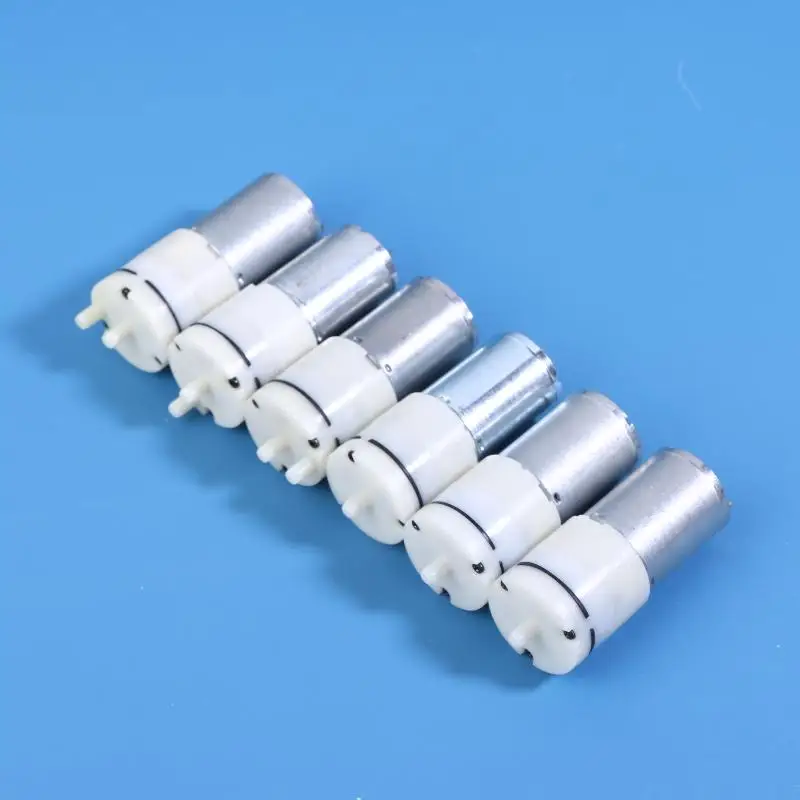 Mini air pump
Shopee
Lazada
Mini air pump
Shopee
Lazada
|
|
1 | Shared air supply |
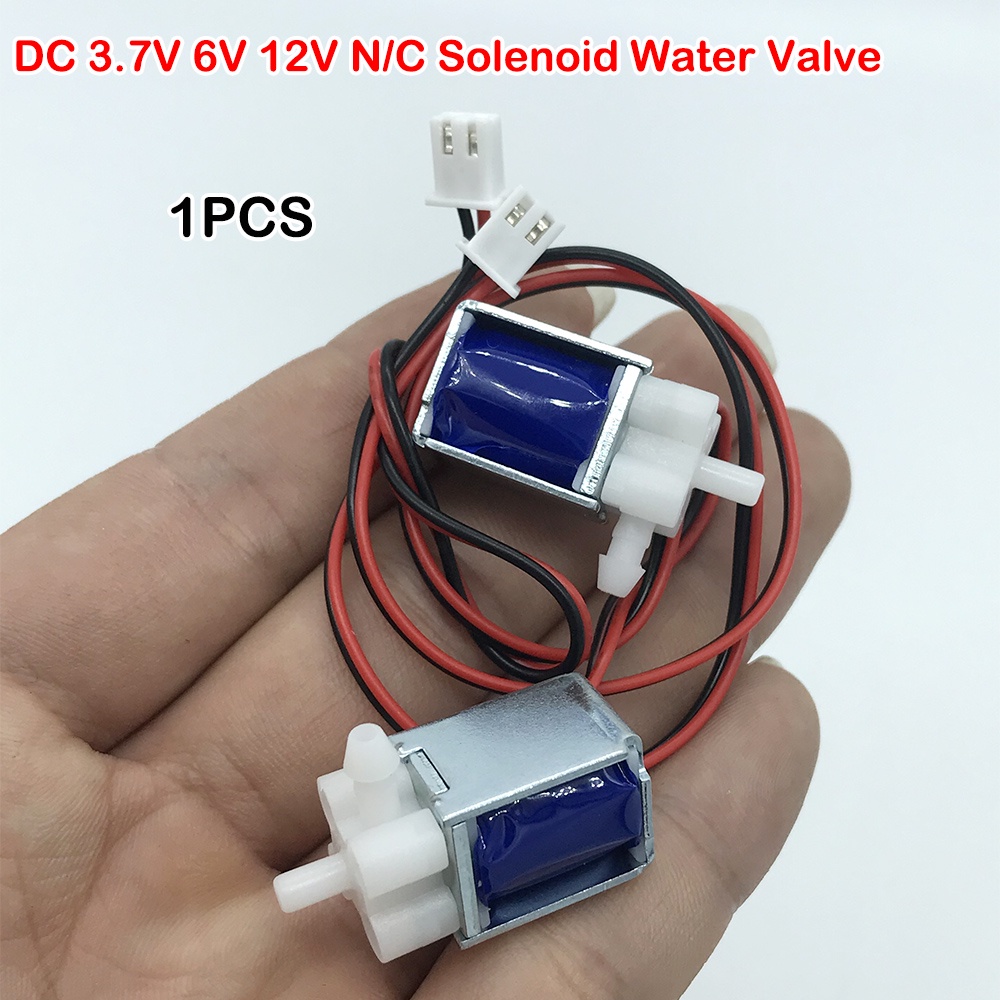 Solenoid valve
Shopee
Lazada
Solenoid valve
Shopee
Lazada
|
|
4–6 | One valve per bladder |
| TPU filament | 1.75 mm, 95A | 1 spool | Printed bladders |
| OLED | 0.96″ I2C SSD1306 128×64 | 1 | On-device status |
| MOSFET module | N-channel (IRF520 / AO3400) | 1–7 | Switches pump and valves. Do not drive them from an MCU pin. |
| Buzzer | Active 5 V | 1 | Hotspot alert |
| LED | 1–2 | Status | |
| Resistors | 10 kΩ and 220 Ω | 10+ | FSR dividers and LED current |
| Silicone tubing | ~3–4 mm ID | 1–2 m | Air lines |
| Perfboard | 5×7 cm | 1 | Wiring |
| Battery |
|
1 | Portable power |
Shopee checkout prices
Prices captured from the selected Shopee checkout on 20 Aug 2026. These are the active item prices for the selected variants; shipping, product protection, and seller adjustments are shown in the checkout summary below.
| Seller | Item / selected variant | Qty | Unit | Line total |
|---|---|---|---|---|
| ENG LAB.ph | Jumper wire, 20 cm · Male–Female | 1 | ₱56 | ₱56 |
| 0.96-inch SSD1306 blue OLED | 1 | ₱129 | ₱129 | |
| ESP32, 30-pin Type-C, CP2102 | 1 | ₱299 | ₱299 | |
| 830-point solderless breadboard | 1 | ₱85 | ₱85 | |
| 600-piece resistor kit with plastic box | 1 | ₱189 | ₱189 | |
| FR4 single-sided perfboard · 12 × 18 cm | 1 | ₱163 | ₱163 | |
| 5 mm red LED kit · 50 pieces | 1 | ₱83 | ₱83 | |
| Diode tube kit · 100 pieces | 1 | ₱119 | ₱119 | |
| 40-pin male header · single row | 1 | ₱63 | ₱63 | |
| 40-pin female header · single row | 1 | ₱66 | ₱66 | |
| Active buzzer module | 1 | ₱59 | ₱59 | |
| Arduino USB cable · USB-A to Type-C | 1 | ₱59 | ₱59 | |
| buildstoremanila | EVA foam sheet · 50 × 100 cm × 4 mm, black | 1 | ₱150 | ₱150 |
| xaipi1788.ph | 3 mm transparent one-way check valve | 1 | ₱51 | ₱51 |
| 6 V normally closed solenoid valve | 5 | ₱111 | ₱555 | |
| 3 × 5 mm silicone hose | 2 | ₱117 | ₱234 | |
| 370 diaphragm air pump · 5–6 V, EU plug | 1 | ₱131 | ₱131 | |
| SAMIORE.ph | MOSFET trigger switch module · 4-piece pack | 2 packs | ₱140 | ₱280 |
| Aihome1.ph | FSR400/402/406, 0.5-inch · variant C | 5 | ₱108 | ₱540 |
| HOKEMP Home Store | 300 ml clear silicone sealant | 1 | ₱95 | ₱95 |
| RAQ Online Shop | AC–DC adapter · 6 V, 3 A | 1 | ₱139 | ₱139 |
| Makerlab PH | eSUN TPU 95A filament · flexible black, 1 kg | 1 | ₱1,319 | ₱1,319 |
| Checkout summary | Amount |
|---|---|
| Merchandise subtotal | ₱4,864 |
| Product protection | ₱11 |
| Shipping subtotal | ₱338 |
| Total payment | ₱5,213 |
Seller checkout totals were ₱1,468 for ENG LAB.ph (two parcels), ₱182 for buildstoremanila, ₱1,014 for xaipi1788.ph, ₱320 for SAMIORE.ph, ₱572 for Aihome1.ph, ₱127 for HOKEMP, ₱179 for RAQ, and ₱1,351 for Makerlab PH. The unrelated pre-existing MisterBen item was not selected for checkout.
Battery life (estimate)
Not measured on hardware yet. Based on a ~2500 mAh 18650 (~9 Wh), typical 370-pump draw, valve ~2.5 W, and firmware: pump runs only when share inflates lows (peaks vent). Max 6 s on, then 4 s rest.
| Use | Pump duty | About how long |
|---|---|---|
| Monitor only | AP + OLED, pump rail off | 8–15 hours |
| Science-fair demo | A few presses | Hours (electronics dominate) |
| Walking, share on | A few events per minute | 1–3 hours |
| Share off (vent only) | 0% | 8–15 hours |
| Worst: share cycling | ~50% (6 s / 4 s rest) | 1–2 hours |
- ESP32 Wi-Fi AP is the idle drain. Leaky bladders keep the pump on for the full 6 s.
- Several share valves at once add ~2.5 W each. Boost 3.7 V → 6 V / 12 V costs about 15–20%.
- When the bench is wired, measure idle mA (Wi-Fi on) and 6 V mA (pump + one valve).
Consumables
| Item | What it does |
|---|---|
| EVA foam sheet | Insole base, 2–4 mm |
| Silicone sealant (RTV) | Seals bladder seams. Cure 24 h. |
| Hot glue | Holds tubing and layers |
| Soapy water | Leak test |
| Jumper wires / headers | Breadboard and perfboard |
| Heat-shrink | Insulates joints |
Project schedule
3Ready · Dionne, Jayden & Theresa. Aim: working demo by late September to early October 2026 (target day: 3 Oct 2026). Design, code, and simulator are ready. Next: parts, printing, and real hardware.
What “done” means
| Item | What it means | Pass if… | Due | Status |
|---|---|---|---|---|
| S0 Design & code | Plan, firmware sketch, web monitor, simulator, build notes ready | You can open the monitor and run the sim without hardware | 3 Aug | Done |
| S1 Parts bought | Starter kit on the desk (board, at least 2 FSRs, pump, MOSFET, tubing, wires) | All starter parts on the desk | 22 Aug | To do |
| S2 Bladder holds air | 3D-printed TPU pouch (or first bladder) leak-tested with soapy water | No bubbles; stays firm at least 1 minute after fill | 5 Sep | To do |
| S3 2-zone works | Breadboard: press one zone, correct pump/valve reacts | Works in 9 of 10 tries on the bench | 12 Sep | To do |
| S4 Correct logic | Soft under the hard spot; other pads may firm up. Never pump under the peak. | Anyone watching can see the peak softens, not hardens | 19 Sep | To do |
| S5 Measurable change | Same weight on a zone before and after the system reacts | Sensor reading on that zone drops by about 15% or more | 26 Sep | To do |
| S6 Live screen | Phone or laptop shows the monitor while the prototype runs | Stays connected for a short demo (a few minutes) | 26 Sep | Sim only |
| S7 Demo package | Short video, poster or slides, parts list with cost | Ready for live demo / final presentation | 3 Oct | Final |
| S8 Safety basics | Max inflate time, rest after actuate, pump cutoff | All three on the real build | 3 Oct | In code |
Gantt (weeks)
| Task | W1 4–10 Aug |
W2 11–17 |
W3 18–24 |
W4 25–31 |
W5 1–7 Sep |
W6 8–14 |
W7 15–21 |
W8 22–28 |
W9 29–5 Oct |
W10 6–12 |
|---|---|---|---|---|---|---|---|---|---|---|
| 1. Research & design S0 · plan, code, simulator | ||||||||||
| 2. Buy parts S1 · starter kit first | ||||||||||
| 3. Print & leak-test bladders S2 · TPU air pouches | ||||||||||
| 4. 2-zone breadboard S3 · first working loop | ||||||||||
| 5. Full build (more zones + screen) S4 · S6 · ESP32 / phone view | ||||||||||
| 6. Tests with weights S5 · measure before/after | ||||||||||
| 7. Build into insole layers Foam, sensors, tubes, shoe demo | ||||||||||
| 8. Poster, video, report S7 · video, poster, parts list | ||||||||||
| 9. Final demo day S7 + S8 · present the build |
Checkpoints
- 22 Aug: Parts arrived (S1).
- 5 Sep: First bladder that doesn’t leak (S2).
- 12 Sep: Two zones work on the breadboard (S3).
- 26 Sep: Measured drop under a weight, and phone/laptop shows live data (S5, S6).
- 3 Oct: Ready to present: short video, poster/slides, safety labels (S7, S8).
- 6–12 Oct: Buffer week only if something slips. Don’t add features; finish what you have.
Timeline in weeks. Bars are planned windows, not exact days. “Sim only” on S6 means the computer demo works; the real board and Wi‑Fi screen still need building. Update statuses when a step is done.
Firmware & code (ESP32)
The complete Arduino sketch that runs this insole: 5-zone FSR sensing, sustained-peak detection, and the closed-loop vent/share control behind the Monitor tab. Board: ESP32 Dev Module. Libraries: WebSockets (Markus Sattler), Adafruit SSD1306 + GFX (optional OLED). Educational prototype — not a medical device.
Pin map: FSRs on ADC1 (36 / 39 / 34 / 35 / 32) · pump MOSFET GPIO 25 · valves 26 / 27 / 14 / 12 / 13 ·
OLED SDA 21 / SCL 22 · buzzer 4 · status LED 5. Full build guide lives in the repo docs/ folder.
// SmartInsole_ESP32.ino
// Pressure-equalize pneumatic soft robotic insole (3Ready Prototyping Lab)
// Educational prototype. NOT a medical device — see docs/09-safety.md + Rules tab.
//
// Control (research-based):
//   1. SENSE    — FSR array, 5 plantar zones
//   2. DETECT   — sustained peak(s) above threshold (SUSTAIN_MS)
//   3. EQUALIZE — DEFLATE / vent peak zone(s); optional mild inflate on under-loaded zones
//   4. REST     — HOLDOFF_MS anti-chatter
//
// Does NOT inflate under the peak. Does NOT deflate-only-others. No neighbor wedge.
//
// Libraries: WebSockets (Markus Sattler); Adafruit SSD1306 + GFX if USE_OLED.
// Board: ESP32 Dev Module. Tunables: config.h.

#include <WiFi.h>
#include <WebServer.h>
#include <WebSocketsServer.h>
#if USE_OLED
#include <Adafruit_GFX.h>
#include <Adafruit_SSD1306.h>
#endif

#include "config.h"
#include "dashboard_html.h"

WebServer server(WEB_PORT);
WebSocketsServer webSocket(WS_PORT);

#if USE_OLED
Adafruit_SSD1306 display(OLED_WIDTH, OLED_HEIGHT, &Wire, -1);
#endif

enum CtrlPhase : uint8_t {
  PH_IDLE = 0,
  PH_DETECTING = 1,
  PH_EQUALIZE = 2,
  PH_HOLDOFF = 3,
};

enum ZoneRole : uint8_t {
  R_IDLE = 0,
  R_PEAK = 1,     // being deflated / vented
  R_SHARE = 2,    // mild inflate (under-loaded)
  R_HOLDOFF = 3,
};

struct Zone {
  float pressure = 0;
  float zeroOffset = 0;
  uint32_t aboveSince = 0;
  ZoneRole role = R_IDLE;
  bool isPeak = false;
  bool isShare = false;
};

struct Controller {
  CtrlPhase phase = PH_IDLE;
  uint32_t phaseStart = 0;
  uint32_t holdUntil = 0;
  float fill = 0;
  uint8_t nPeaks = 0;
  uint8_t peaks[NUM_ZONES];
  uint8_t nShares = 0;
  uint8_t shares[NUM_ZONES];
};

Zone zones[NUM_ZONES];
Controller ctl;
int threshold[NUM_ZONES];

static inline uint32_t elapsed(uint32_t since, uint32_t now) {
  return (uint32_t)(now - since);
}

static float zonePressure(int z) {
  float p = zones[z].pressure - zones[z].zeroOffset;
  return p < 0 ? 0 : p;
}

static void setValve(int z, bool on) {
  digitalWrite(VALVE_PINS[z], on ? HIGH : LOW);
}

static void setPump(bool on) {
  if (PUMP_PER_ZONE) return;
  digitalWrite(PUMP_PIN, on ? HIGH : LOW);
}

static bool pumpOn() {
  if (PUMP_PER_ZONE) {
    for (int i = 0; i < ctl.nShares; i++) {
      if (digitalRead(VALVE_PINS[ctl.shares[i]]) == HIGH) return true;
    }
    return false;
  }
  return digitalRead(PUMP_PIN) == HIGH;
}

static void allOff() {
  for (int z = 0; z < NUM_ZONES; z++) setValve(z, false);
  setPump(false);
}

static void applyActuators() {
  // Peaks: vent (valve off / pump off for that zone).
  // Shares: mild inflate (valve on + pump).
  allOff();
  if (ctl.phase != PH_EQUALIZE) return;

  for (int i = 0; i < ctl.nShares; i++) {
    int s = ctl.shares[i];
    setValve(s, true);
  }
  if (ctl.nShares > 0) setPump(true);
  // peaks remain vented (valves off)
}

static void clearRoles() {
  for (int z = 0; z < NUM_ZONES; z++) {
    zones[z].role = R_IDLE;
    zones[z].isPeak = false;
    zones[z].isShare = false;
  }
}

static void applyRoles() {
  clearRoles();
  if (ctl.phase == PH_HOLDOFF) {
    for (int z = 0; z < NUM_ZONES; z++) zones[z].role = R_HOLDOFF;
    return;
  }
  if (ctl.phase == PH_DETECTING) {
    for (int z = 0; z < NUM_ZONES; z++) {
      if (zones[z].aboveSince != 0) {
        zones[z].role = R_PEAK;
        zones[z].isPeak = true;
      }
    }
    return;
  }
  if (ctl.phase == PH_EQUALIZE) {
    for (int i = 0; i < ctl.nPeaks; i++) {
      int z = ctl.peaks[i];
      zones[z].role = R_PEAK;
      zones[z].isPeak = true;
    }
    for (int i = 0; i < ctl.nShares; i++) {
      int z = ctl.shares[i];
      zones[z].role = R_SHARE;
      zones[z].isShare = true;
    }
  }
}

static void resetController() {
  allOff();
  ctl.phase = PH_IDLE;
  ctl.phaseStart = 0;
  ctl.holdUntil = 0;
  ctl.fill = 0;
  ctl.nPeaks = 0;
  ctl.nShares = 0;
  for (int z = 0; z < NUM_ZONES; z++) {
    zones[z].aboveSince = 0;
    zones[z].role = R_IDLE;
    zones[z].isPeak = false;
    zones[z].isShare = false;
  }
}

static void senseZones() {
  for (int z = 0; z < NUM_ZONES; z++) {
    int raw = analogRead(FSR_PINS[z]);
    zones[z].pressure = SMOOTH_ALPHA * (float)raw + (1.0f - SMOOTH_ALPHA) * zones[z].pressure;
  }
}

static void startEqualize(uint32_t now) {
  ctl.phase = PH_EQUALIZE;
  ctl.phaseStart = now;
  ctl.fill = 0;

  // Shares = surround / under-loaded support. Peak never inflates.
  // Single loaded peak → inflate all non-peak (aperture well). Multi-load → under mean.
  ctl.nShares = 0;
  if (SHARE_ON_LOWS) {
    float sum = 0;
    int nLoaded = 0;
    for (int z = 0; z < NUM_ZONES; z++) {
      float p = zonePressure(z);
      if (p >= SHARE_MIN_ADC) { sum += p; nLoaded++; }
    }
    if (nLoaded <= ctl.nPeaks) {
      for (int z = 0; z < NUM_ZONES; z++) {
        bool isPeak = false;
        for (int i = 0; i < ctl.nPeaks; i++) if (ctl.peaks[i] == z) isPeak = true;
        if (!isPeak) ctl.shares[ctl.nShares++] = (uint8_t)z;
      }
    } else {
      float mean = sum / nLoaded;
      for (int z = 0; z < NUM_ZONES; z++) {
        bool isPeak = false;
        for (int i = 0; i < ctl.nPeaks; i++) if (ctl.peaks[i] == z) isPeak = true;
        float p = zonePressure(z);
        if (!isPeak && p >= SHARE_MIN_ADC && p < mean - BAND_ADC) {
          ctl.shares[ctl.nShares++] = (uint8_t)z;
        }
      }
      if (ctl.nShares == 0) {
        for (int z = 0; z < NUM_ZONES; z++) {
          bool isPeak = false;
          for (int i = 0; i < ctl.nPeaks; i++) if (ctl.peaks[i] == z) isPeak = true;
          if (!isPeak) ctl.shares[ctl.nShares++] = (uint8_t)z;
        }
      }
    }
  }

  applyActuators();
  Serial.print("[EQUALIZE] peaks=");
  for (int i = 0; i < ctl.nPeaks; i++) {
    Serial.print(ZONE_NAMES[ctl.peaks[i]]);
    if (i + 1 < ctl.nPeaks) Serial.print(",");
  }
  Serial.print(" shares=");
  if (!ctl.nShares) Serial.print("none");
  for (int i = 0; i < ctl.nShares; i++) {
    Serial.print(ZONE_NAMES[ctl.shares[i]]);
    if (i + 1 < ctl.nShares) Serial.print(",");
  }
  Serial.println();
}

static void updateController() {
  const uint32_t now = millis();

  if (ctl.phase == PH_HOLDOFF) {
    applyRoles();
    if ((int32_t)(now - ctl.holdUntil) >= 0) resetController();
    return;
  }

  if (ctl.phase == PH_IDLE || ctl.phase == PH_DETECTING) {
    ctl.nPeaks = 0;
    bool climbing = false;
    for (int z = 0; z < NUM_ZONES; z++) {
      float p = zonePressure(z);
      int thr = threshold[z];
      if (p > thr) {
        if (zones[z].aboveSince == 0) zones[z].aboveSince = now;
        if (elapsed(zones[z].aboveSince, now) >= SUSTAIN_MS) {
          ctl.peaks[ctl.nPeaks++] = (uint8_t)z;
        } else {
          climbing = true;
        }
      } else {
        zones[z].aboveSince = 0;
      }
    }

    if (ctl.nPeaks > 0) {
      startEqualize(now);
    } else if (climbing) {
      ctl.phase = PH_DETECTING;
    } else {
      ctl.phase = PH_IDLE;
    }
    applyRoles();
    return;
  }

  if (ctl.phase == PH_EQUALIZE) {
    uint32_t dt = elapsed(ctl.phaseStart, now);
    ctl.fill = dt >= 2000 ? 1.0f : (dt / 2000.0f);

    // Release when all peaks under thr * RELEASE_PCT
    bool allClear = true;
    for (int i = 0; i < ctl.nPeaks; i++) {
      int z = ctl.peaks[i];
      float lim = threshold[z] * (RELEASE_PCT / 100.0f);
      if (zonePressure(z) >= lim) allClear = false;
    }
    bool timedOut = dt >= MAX_EQUALIZE_MS;

    if (allClear || timedOut) {
      allOff();
      ctl.phase = PH_HOLDOFF;
      ctl.holdUntil = now + HOLDOFF_MS;
      ctl.fill = 0;
      Serial.printf("[HOLDOFF] reason=%s\n", allClear ? "pressure_drop" : "max_time");
    } else {
      applyActuators();
    }
    applyRoles();
  }
}

static void safetyWatchdog() {
  if (ctl.phase != PH_EQUALIZE) return;
  if (elapsed(ctl.phaseStart, millis()) >= MAX_EQUALIZE_MS + 2000) {
    Serial.println("[SAFETY] forced end equalize");
    allOff();
    ctl.phase = PH_HOLDOFF;
    ctl.holdUntil = millis() + HOLDOFF_MS;
    ctl.fill = 0;
  }
}

static void updateAlerts() {
  bool active = (ctl.phase == PH_DETECTING || ctl.phase == PH_EQUALIZE);
  if (LED_PIN >= 0) digitalWrite(LED_PIN, active ? HIGH : LOW);
  if (BUZZER_PIN >= 0 && ctl.phase == PH_EQUALIZE) tone(BUZZER_PIN, 880, 60);
}

static int pressurePercent(int z) {
  const int thr = threshold[z];
  if (thr <= 0) return 0;
  int pct = (int)(zonePressure(z) / (float)thr * 100.0f);
  if (pct < 0) pct = 0;
  if (pct > 100) pct = 100;
  return pct;
}

#if USE_OLED
static void updateOLED() {
  display.clearDisplay();
  display.setTextSize(1);
  display.setTextColor(SSD1306_WHITE);
  display.setCursor(0, 0);
  display.print("Equalize");
  display.setCursor(70, 0);
  if (ctl.phase == PH_EQUALIZE) display.print(ctl.nShares ? "vent+share" : "vent");
  else if (ctl.phase == PH_HOLDOFF) display.print("rest");
  else display.print("idle");

  const int barW = (OLED_WIDTH - (NUM_ZONES + 1) * 2) / NUM_ZONES;
  for (int z = 0; z < NUM_ZONES; z++) {
    int pct = pressurePercent(z);
    int x = 2 + z * (barW + 2);
    int h = (int)((OLED_HEIGHT - 22) * pct / 100.0f);
    display.fillRect(x, OLED_HEIGHT - 12 - h, barW, h, SSD1306_WHITE);
    display.drawRect(x, OLED_HEIGHT - 12 - (OLED_HEIGHT - 22), barW, OLED_HEIGHT - 22, SSD1306_WHITE);
  }
  display.invertDisplay(ctl.nPeaks > 0 && ctl.phase == PH_EQUALIZE);
  display.display();
}
#endif

static const char *phaseName(CtrlPhase p) {
  switch (p) {
    case PH_IDLE:      return "idle";
    case PH_DETECTING: return "detecting";
    case PH_EQUALIZE:  return "equalize";
    case PH_HOLDOFF:   return "holdoff";
  }
  return "?";
}

static const char *roleName(ZoneRole r) {
  switch (r) {
    case R_IDLE:    return "idle";
    case R_PEAK:    return "peak";
    case R_SHARE:   return "share";
    case R_HOLDOFF: return "holdoff";
  }
  return "?";
}

static void buildFrame(char *buf, size_t len) {
  int n = snprintf(buf, len,
                   "{\"t\":%lu,\"pump\":%d,\"ctrl\":{\"phase\":\"%s\",\"fill\":%.2f,\"peaks\":[",
                   (unsigned long)millis(),
                   pumpOn() ? 1 : 0,
                   phaseName(ctl.phase),
                   (double)ctl.fill);
  for (int i = 0; i < ctl.nPeaks; i++) {
    n += snprintf(buf + n, len - n, "%s%d", i ? "," : "", ctl.peaks[i]);
    if ((size_t)n >= len) { buf[len - 1] = 0; return; }
  }
  n += snprintf(buf + n, len - n, "],\"shares\":[");
  for (int i = 0; i < ctl.nShares; i++) {
    n += snprintf(buf + n, len - n, "%s%d", i ? "," : "", ctl.shares[i]);
    if ((size_t)n >= len) { buf[len - 1] = 0; return; }
  }
  int hot = ctl.nPeaks ? ctl.peaks[0] : -1;
  n += snprintf(buf + n, len - n, "],\"hot\":%d},\"zones\":[", hot);
  for (int z = 0; z < NUM_ZONES; z++) {
    int pct = pressurePercent(z);
    n += snprintf(buf + n, len - n,
                  "%c{\"i\":%d,\"n\":\"%s\",\"p\":%d,\"raw\":%d,\"pct\":%d,\"thr\":%d,"
                  "\"s\":\"%s\",\"role\":\"%s\",\"hot\":%d}",
                  z ? ',' : ' ', z, ZONE_NAMES[z],
                  (int)zonePressure(z), (int)zonePressure(z), pct, threshold[z],
                  roleName(zones[z].role), roleName(zones[z].role),
                  zones[z].isPeak ? 1 : 0);
    if ((size_t)n >= len) { buf[len - 1] = 0; return; }
  }
  snprintf(buf + n, len - n, "]}");
}

static void pushFrame() {
  char buf[1024];
  buildFrame(buf, sizeof(buf));
  webSocket.broadcastTXT((uint8_t *)buf, strlen(buf));
}

static void handleRoot() { server.send_P(200, "text/html", DASHBOARD_HTML); }
static void handleStatus() {
  char buf[1024];
  buildFrame(buf, sizeof(buf));
  server.send(200, "application/json", buf);
}

static void calibrateZero() {
  if (ZERO_CAL_MS == 0) return;
  Serial.printf("[CAL] zeroing %d ms...\n", ZERO_CAL_MS);
  float acc[NUM_ZONES] = {0};
  const uint32_t start = millis();
  int n = 0;
  while (elapsed(start, millis()) < ZERO_CAL_MS) {
    for (int z = 0; z < NUM_ZONES; z++) acc[z] += analogRead(FSR_PINS[z]);
    n++;
    delay(20);
  }
  for (int z = 0; z < NUM_ZONES; z++) {
    zones[z].zeroOffset = acc[z] / n;
    zones[z].pressure = zones[z].zeroOffset;
    Serial.printf("[CAL] zone %d zero=%.0f\n", z, zones[z].zeroOffset);
  }
}

void setup() {
  Serial.begin(115200);
  delay(200);

  for (int z = 0; z < NUM_ZONES; z++) {
    pinMode(FSR_PINS[z], INPUT);
    threshold[z] = THRESHOLDS[z] > 0 ? THRESHOLDS[z] : DEFAULT_THRESHOLD_ADC;
  }
  pinMode(PUMP_PIN, OUTPUT);
  digitalWrite(PUMP_PIN, LOW);
  for (int z = 0; z < NUM_ZONES; z++) {
    pinMode(VALVE_PINS[z], OUTPUT);
    digitalWrite(VALVE_PINS[z], LOW);
  }
  if (BUZZER_PIN >= 0) pinMode(BUZZER_PIN, OUTPUT);
  if (LED_PIN >= 0) pinMode(LED_PIN, OUTPUT);
  analogReadResolution(12);

  #if USE_OLED
  if (display.begin(SSD1306_SWITCHCAPVCC, OLED_I2C_ADDR)) {
    display.clearDisplay();
    display.setTextSize(1);
    display.setTextColor(SSD1306_WHITE);
    display.setCursor(0, 0);
    display.println("SmartInsole eq");
    display.display();
  }
  #endif

  calibrateZero();
  resetController();

  if (AP_MODE) {
    WiFi.softAP(WIFI_SSID, WIFI_PASS);
    Serial.printf("[NET] AP \"%s\" — http://192.168.4.1\n", WIFI_SSID);
  } else {
    WiFi.mode(WIFI_STA);
    WiFi.begin(WIFI_SSID, WIFI_PASS);
    int tries = 0;
    while (WiFi.status() != WL_CONNECTED && tries++ < 40) { delay(500); }
    if (WiFi.status() != WL_CONNECTED) WiFi.softAP(WIFI_SSID, WIFI_PASS);
    else Serial.printf("[NET] http://%s\n", WiFi.localIP().toString().c_str());
  }

  server.on("/", handleRoot);
  server.on("/data", handleStatus);
  server.begin();
  webSocket.begin();
  webSocket.onEvent([](uint8_t num, WStype_t type, uint8_t *payload, size_t length) {
    (void)payload; (void)length;
    if (type == WStype_CONNECTED) {
      char buf[1024];
      buildFrame(buf, sizeof(buf));
      webSocket.sendTXT(num, (uint8_t *)buf, strlen(buf));
    }
  });

  Serial.println("[BOOT] pressure-equalize controller ready");
}

void loop() {
  static uint32_t lastSample = 0, lastPush = 0;
  const uint32_t now = millis();

  if (elapsed(lastSample, now) >= SAMPLE_MS) {
    lastSample = now;
    senseZones();
    updateController();
  }
  if (elapsed(lastPush, now) >= PUSH_MS) {
    lastPush = now;
    safetyWatchdog();
    updateAlerts();
    pushFrame();
    #if USE_OLED
    updateOLED();
    #endif
  }
  webSocket.loop();
  server.handleClient();
  delay(2);
}
// SmartInsole_ESP32 — config.h
// Pressure-equalize closed-loop insole (3Ready Prototyping Lab)
// Educational prototype. NOT a medical device.
//
// Research model:
//   sustained peak on zone H → DEFLATE / vent H (soften under high pressure)
//   optional: mild SYMMETRIC inflate on under-loaded zones (share)
// Does NOT inflate under the peak; does NOT deflate-only-others; no neighbor wedge.

#pragma once

// ---------------------------------------------------------------------------
// ZONES
// ---------------------------------------------------------------------------

#define NUM_ZONES 5

const char *ZONE_NAMES[NUM_ZONES] = {"Hallux", "1st Met", "5th Met", "Midfoot", "Heel"};

// ESP32 ADC1 pins for FSR voltage dividers.
const int FSR_PINS[NUM_ZONES] = {36, 39, 34, 35, 32};

// ---------------------------------------------------------------------------
// PEAK DETECTION
// ---------------------------------------------------------------------------

#define DEFAULT_THRESHOLD_ADC 600
// Sustained high load (ms) before equalize. Gait spikes alone should not fire.
#define SUSTAIN_MS 1500
// Deadband below mean (ADC) for share eligibility: share if p < mean - BAND_ADC
// and p >= SHARE_MIN_ADC (don't treat unloaded zones as share targets).
#define BAND_ADC 40
#define SHARE_MIN_ADC 50

const int THRESHOLDS[NUM_ZONES] = {0, 0, 0, 0, 0};
#define SMOOTH_ALPHA 0.30f

// ---------------------------------------------------------------------------
// EQUALIZE ACTUATION
// ---------------------------------------------------------------------------

// true  = one pump per zone (VALVE_PINS drive pumps).
// false = shared pump + per-zone valves (default).
#define PUMP_PER_ZONE false

// When true, under-loaded zones get mild inflate while peaks vent.
#define SHARE_ON_LOWS true

const int PUMP_PIN = 25;
const int VALVE_PINS[NUM_ZONES] = {26, 27, 14, 12, 13};

// Max duration of one equalize event (ms).
#define MAX_EQUALIZE_MS 6000

// Anti-chatter rest after an event (ms).
#define HOLDOFF_MS 4000

// Release when all peak zones drop below thr * RELEASE_PCT / 100.
#define RELEASE_PCT 90

// ---------------------------------------------------------------------------
// SENSING LOOP
// ---------------------------------------------------------------------------

#define SAMPLE_MS 100
#define PUSH_MS 200

// ---------------------------------------------------------------------------
// OLED / ALERTS / Wi-Fi
// ---------------------------------------------------------------------------

#define USE_OLED true
#define OLED_I2C_ADDR 0x3C
#define OLED_WIDTH 128
#define OLED_HEIGHT 64

const int BUZZER_PIN = 4;
const int LED_PIN = 5;

#define AP_MODE true
#define WIFI_SSID "SmartInsole"
#define WIFI_PASS "12345678"

#define ZERO_CAL_MS 2000
#define WEB_PORT 80
#define WS_PORT 81
3Ready · Dionne, Jayden & Theresa